Archive for category: Nursing



An Appointment With: Jaclyn Schindler, Clinical Director, Medicine Service Line
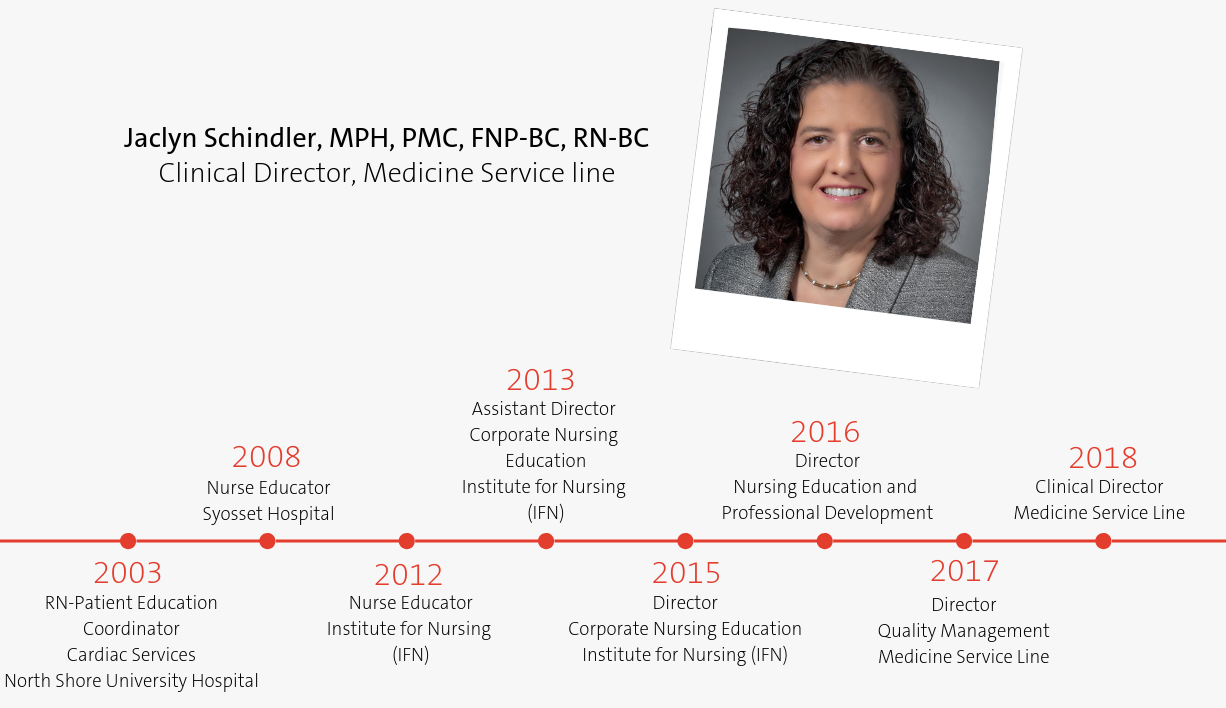
Just as Northwell Health’s Medicine Service Line continues to grow so has Jaclyn’s career within the organization over the past 16 years. Today she serves as the clinical director of the Medicine Service Line, which includes more than 100 internal and family medicine practices across the New York metropolitan area..
Throughout her career, including her start as an RN patient education coordinator, Jaclyn has always felt encouraged to spread her wings by her senior nursing leaders. Nominated into the High Potential Program, she gained exposure to health care experts, skills and concepts that helped her develop professionally.
The experience Jaclyn gained throughout her tenure at Northwell has helped her lead tremendous growth in ambulatory care since 2017. Learn more from her about the Medicine Service Line and advantages of working in ambulatory practices.
Tell us about the growth of the Medicine Service Line.
Since I joined this team in 2017, the outpatient Medicine Service Line has grown in both size and scope, and today is spread geographically across Suffolk and Nassau counties, Queens and Manhattan, with partnerships in medical outpatient groups in Staten Island and Westchester.
We have doubled the amount of nursing staff, both registered nurses and nurse practitioners, as these roles have become essential to effective patient management and facilitation of access to care.
Our team is highly structured to provide support to individuals and keep everyone connected. Communication is valued and opinions are sought from all. Talent is welcomed from all areas, and existing team members are encouraged to grow through opportunities for promotion.
Could you talk about the various types of Medicine Service Line practices and locations?
The majority of Medicine Service Line practices are centered on primary care in internal and family medicine. Many specialties exist within the service line, including: endocrinology, rheumatology, GI, pulmonology, gerontology, hepatology, nephrology, infectious disease, and occupational health.
Services include preventive health measures, annual assessments, treatment of acute illness, and overall health promotion. Scope has expanded during the past decade as the focus of medicine has shifted to promoting wellness rather than solely treating illness. More care is delivered out of the hospital, and attention given to lifestyle changes and holistic measures.
A portion of our practices support academic partnerships. Medical residents treat patients in supervised clinics and participate in ongoing grant and research activity.
Thus, Medicine is the largest and most diverse service line within Northwell Health!
What types of positions are available within the Medicine Service Line?
The ambulatory team is centered around the office site, whether a two-person or 30-person practice.
The team is typically led by a practice manager, with physicians and advanced care providers (NP, PA, CNM) treating patients. Other positions include medical office assistants, licensed practical nurses, practice office associates, front desk staff, billers, and other support functions. On-site teams may also include registered dietitians, certified diabetes educators, pharmacists, and behavioral health coaches.
The role of the registered nurse is shaped in ambulatory locations to add value to the patient visit and facilitate achievement of health care goals. RNs practice at the top of their license; they administer medication, provide patient counseling, and enable care through medication/treatment renewals, referrals, and preventive care services. Patients may also have “Nurse Visits” which capitalize on expertise in nursing science and allow enhanced access to provider appointments. These visits allow patients to receive care directly from nurses and may include Coumadin management, blood pressure checks, vaccination, and diagnosis-specific education.
And, there is a huge amount of behind the scenes support in the areas of project management, finance, leadership, quality review, and business development.
What are some of the advantages of working in an ambulatory practice?
Ambulatory is an exciting and rewarding opportunity for career and skill development.
Advantages include:
- Smaller teams than inpatient counterparts mean that the work environment is truly collaborative, and all disciplines learn from each other.
- Relationships developed over time with patients and their families contribute to professional reward and purpose, where one can see the effect of invested effort.
- All staff have a great impact on quality output, patient experience, patient empowerment, improved health outcomes, and quality of life for our customers.
- Cognitive and critical thinking skills, as well as engagement of technological advancements, are essential to success.
- Ambulatory setting provides work-life balance for those who wish to make a difference in health care yet have personal home and/or family obligations to juggle.
- Schedules tend to be more regular, without overnight shifts, most major holidays are off, and the weekend and evening obligations are reduced, depending on the site.
Do you have any advice for people looking to get into internal medicine?
Understand the environment. Visit a practice if you can and note what you think works or does not work. We are always looking for new solutions.
Nurses can check out the Ambulatory Nurses’ Association (AAACN) website. Ask colleagues or interviewers to describe the differences between inpatient and outpatient settings. If you are looking for a supportive role, achieve certification if offered, such as for a medical assistant.
We look for individuals who have a passion for people, and demonstrate creative thinking, excellent customer service, and the ability to work well with team members.
 Are you Made for delivering care in ambulatory setting? Explore practice RN positions here.
Subscribe to our blogs
Stay up to date with stories you want to know more about right to your email inbox.
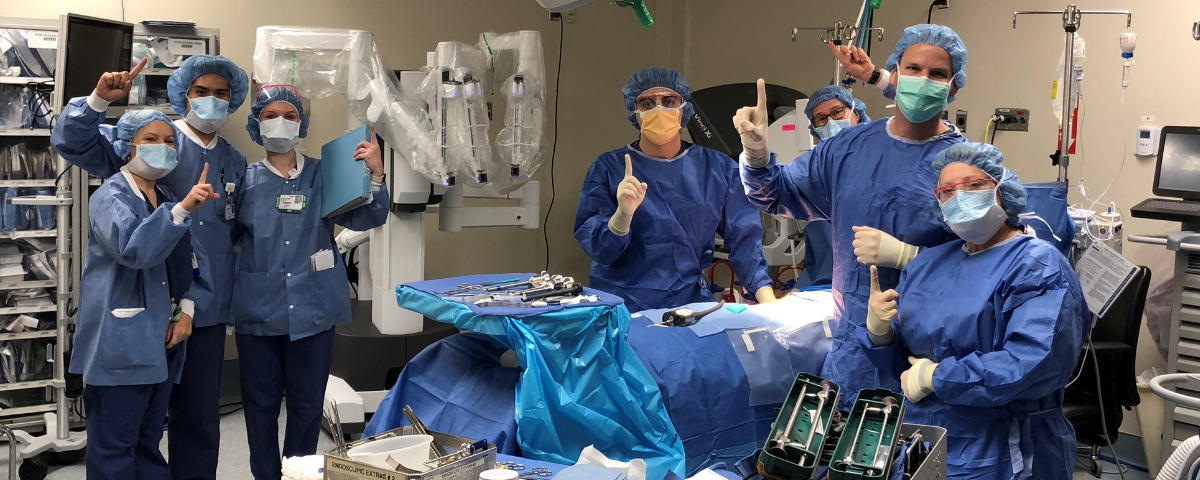
MEETH the team at Manhattan Eye, Ear, & Throat Hospital revolutionizing perioperative ambulatory care
Throughout 2018, Manhattan Eye, Ear & Throat Hospital (MEETH) worked hard to increase the efficiency and quality of care in our ambulatory OR in New York City.
As part of this effort, MEETH had the exciting addition of robotic surgery in November, making us the first Northwell Health ambulatory center to perform robotic surgery. The program launched with Robotic Assisted Hernia Repair and Robotic Assisted Cholecystectomy cases to great success. The addition of robotic cases within MEETH empowers our team to deliver state of the art and highest quality care to our patients.
By allowing surgeons greater precision, dexterity, control, and visualization, robotics have proven to contribute to less post-operative pain and discomfort, minimal scarring and improved patient recover times. The OR team here at MEETH is very excited and proud to be able to offer this great service to our patients!
The OR Team at MEETH has also started doing ambulatory Total Shoulder Replacement Cases. We’ve also increased our ENT, GU, General Surgery, and GYN case volume to help better serve patients. This increase in volume has come along with a steady increase of our on time start times for the first cases of the day – with a 10% improvement over 2017.
Our collaborative care council has been revitalized to help improve our work environment with collaborative feedback from our team. Employees also participated in the MEETH Career Day Panel which helped introduce high school students to different healthcare opportunities and help excite them about joining the industry.
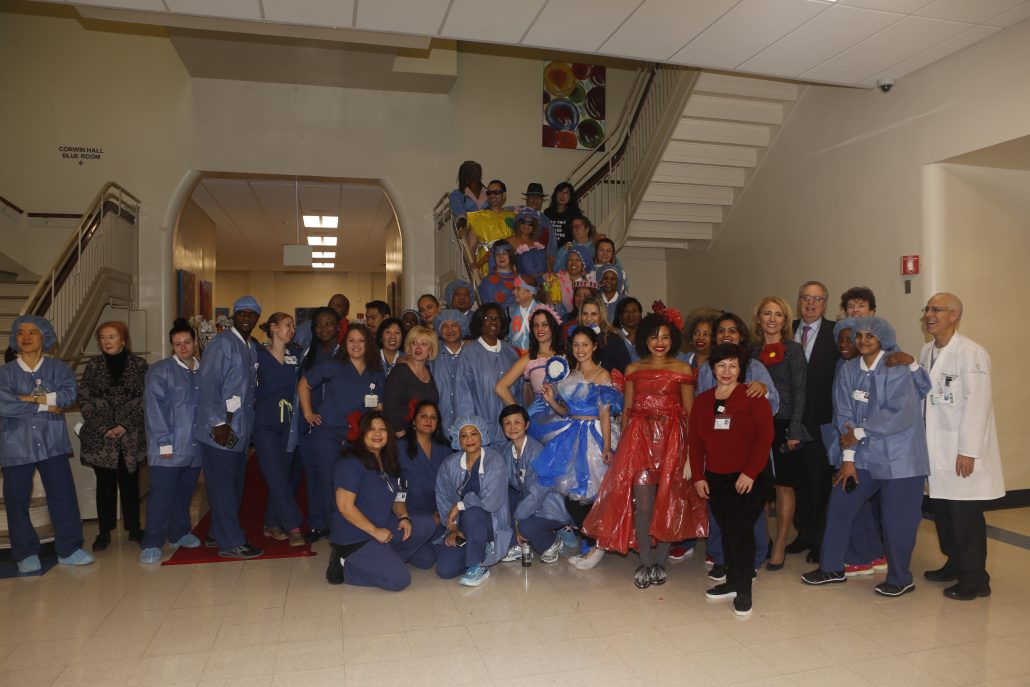
Not to mention, there’s always something to celebrate! One of our surgical technicians presented in-service focusing on the history of surgical technologists and the proud moments from MEETH during Surgical Technologist Week. In celebration of Perioperative Nurses Week, MEETH hosted our very own fashion show in which the staff created designs from unused OR supplies. During the holiday season, we hosted an International Holiday Breakfast/Lunch during which our team could bring in and share their traditional food to celebrate our diverse heritages.
Check out the photos below!
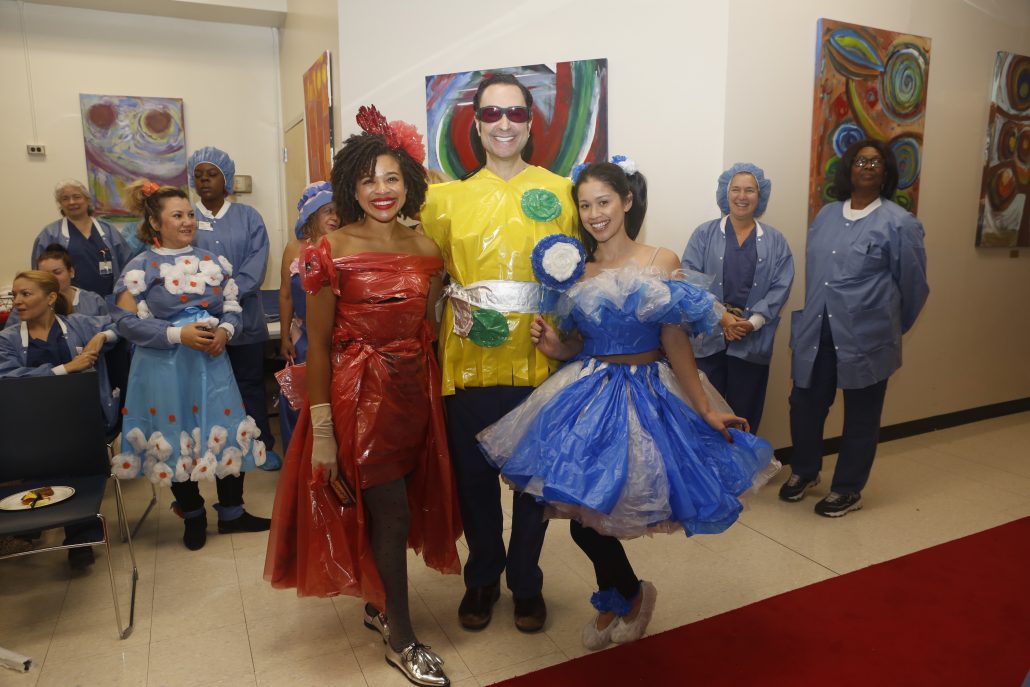
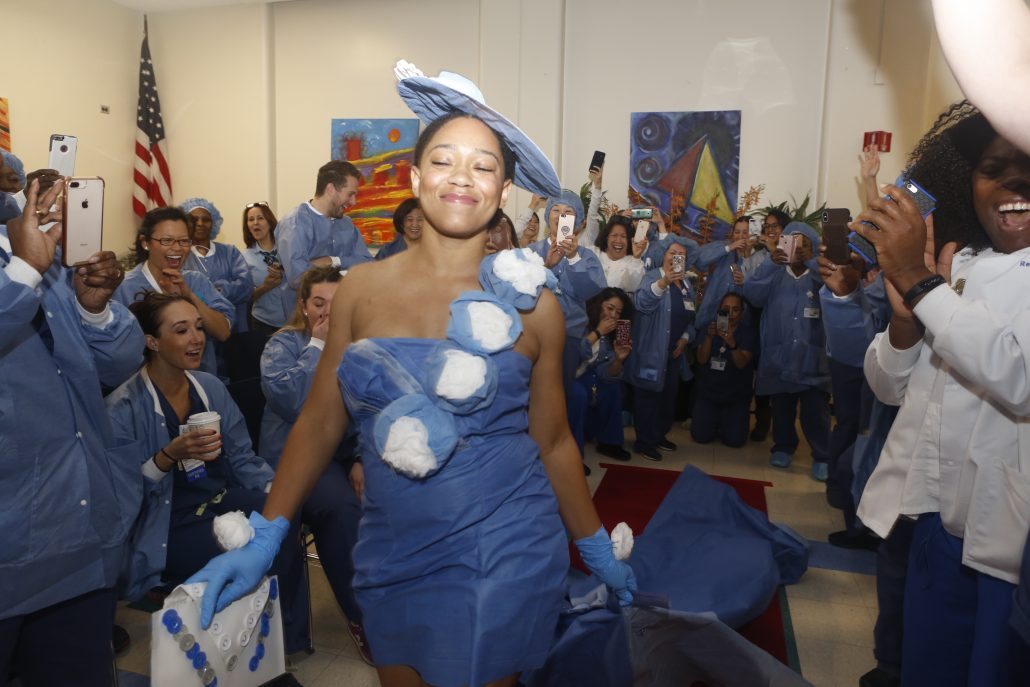
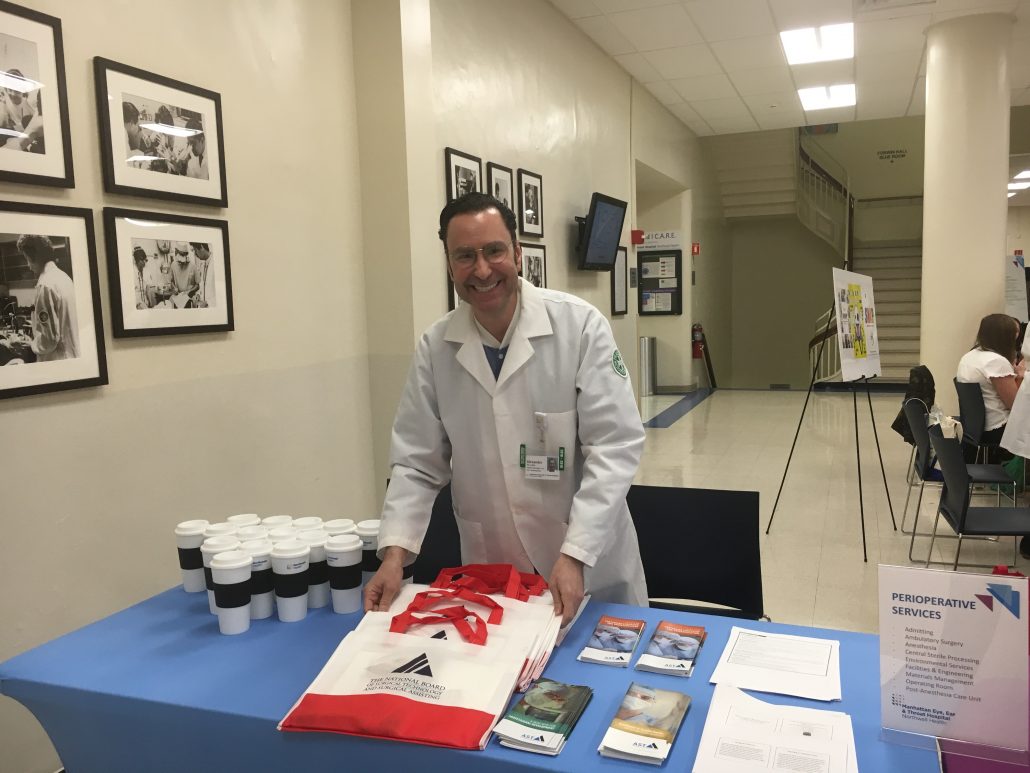
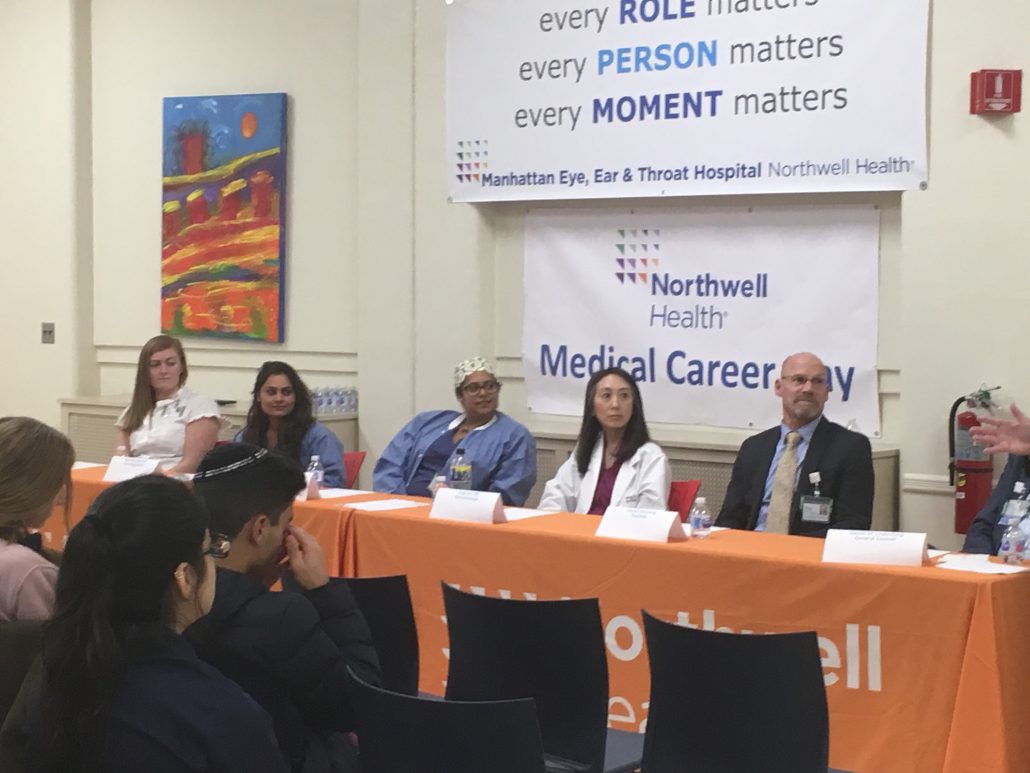
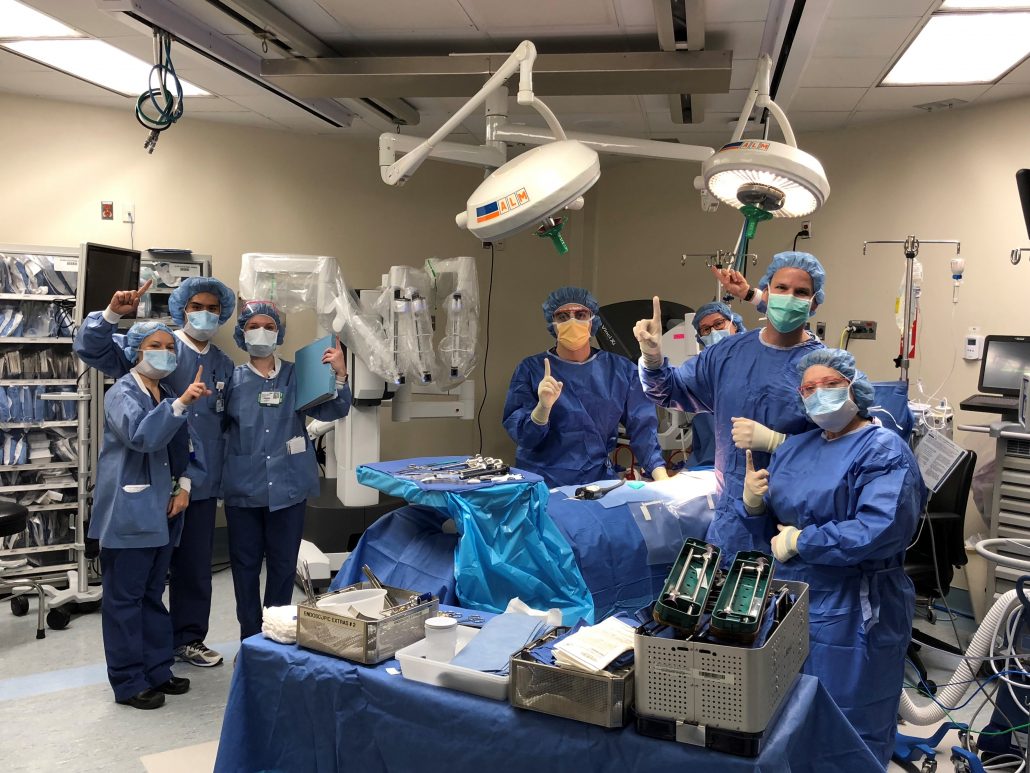
 Are you Made for delivering exceptional care from an ambulatory location? Join our team at MEETH!
Subscribe to our blogs
Stay up to date with stories you want to know more about right to your email inbox.
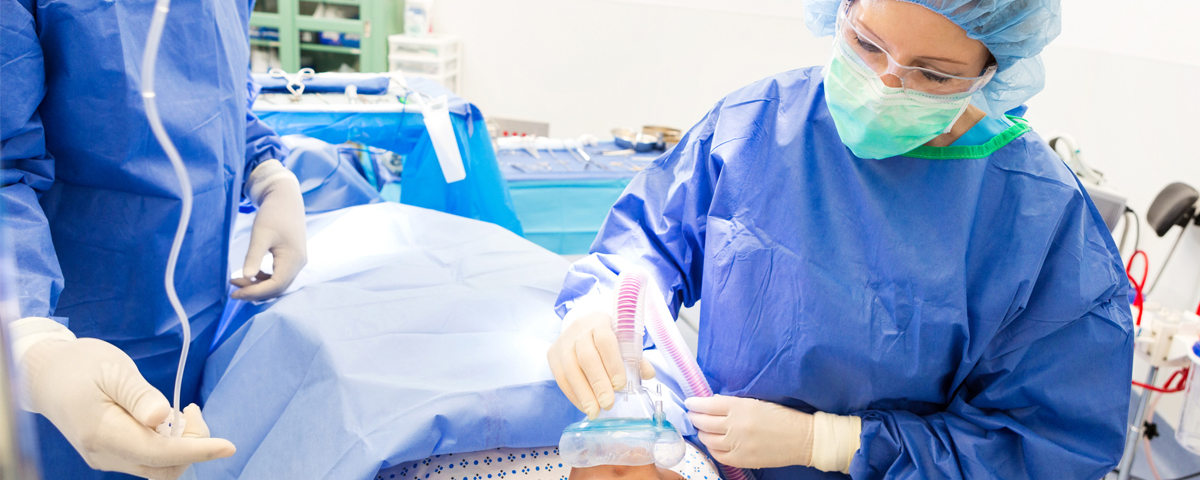
CRNAs go above and beyond while their patients are under. Learn more in Northwell Health’s CRNA Fact Sheet:
CRNAs are invaluable members of our patient care teams. Every year, they safely administer more than 45 million anesthetics to patients in the U.S. through a safe and cost-effective way. Explore this fact sheet and learn more about this noble profession:
What is a CRNA?
CRNAs are advanced practice nurses who’ve earned the credential of Certified Registered Nurse Anesthetist after passing a certification exam. They have over 2000 hours of advanced clinical training. CRNAs work with healthcare providers, ranging from surgeons and anesthesiologists to dentists and podiatrists and administer anesthesia to all surgical cases.
Where do CRNAs practice?
Wherever anesthesia is being delivered, CRNAs are there, caring for patients. Inside private practices, surgical suites, specialty offices, Obstetrics and U.S. military sites, CRNAs are caring for millions of people around the world each day.
What makes CRNAs so important to health care?
CRNAs are also a cost-effective alternative to anesthesiologists, making a huge difference for patients and insurance companies fighting against rising healthcare costs. CRNAs aren’t just important to save on healthcare costs, in many rural communities of the U.S., they’re vital as they are the primary anesthesia care provider. In many states, nearly 100% of rural hospitals rely on CRNAs as the sole providers for anesthesia care, meaning that without CRNAs, surgeries would be impossible.
What education is required to become a CRNA?
The minimum education and experience required to become a CRNA include:
● Baccalaureate or graduate degree in nursing or other applicable major
● Valid registered professional nursing license and/or APRN
● Minimum of one-year full-time work experience, or its part-time equivalent, as a registered nurse in a critical care setting within the United States, its territories, or a U.S. military hospital outside of the United States.
● Graduation with a minimum of a master’s degree from a nurse anesthesia educational program accredited by the Council on Accreditation of Nurse Anesthesia Educational Programs
What is a CRNA program like?
Depending on the university, nurse anesthesia programs can vary from 24-51 months. Most programs have gone or are in the process of offering the DNP as the entry to practice terminal degree. After 7-8.5 years of study, professionals leave fully prepared for their position, graduating with immense clinical experience that averages to 9,369 clinical hours. All of this work culminates in a master’s or doctoral degree from a program that’s accredited by the Council of Accreditation of Nurse Anesthesia Educational Programs.
As an acknowledgment of CRNAs’ growing importance and educational expectations, by 2025 all CRNAs will receive a doctoral degree. Once they receive a degree, a CRNA graduate they must also pass the National Certification Examination before they can start practicing on their own.
What are the career opportunities for CRNAs?
CRNAs are highly regarded advanced practice professionals who enjoy real autonomy and incredible professional respect in their roles. Since they’re are solely responsible for the anesthetic care of their patients, their compensation reflects that immense responsibility. Beyond their degrees, some CRNAs utilize their fellowships to specialize in areas of anesthesiology like chronic pain management.
How do I become recertified as a CRNA?
We’re excited that you want to become recertified as a CRNA! You can enroll in the Continued Professional Certification Program, an eight-year program that’s dividing into two four-year cycles. Administered by the National Board of Certification and Recertification for Nurse Anesthetists, the CPC is based on four components: traditional continuing education, professional development, core content modules, and a comprehensive exam.
Are you Made for a career as a CRNA? Learn more about CRNA opportunities at Northwell Health.
Subscribe to our blogs
Stay up to date with stories you want to know more about right to your email inbox.
Contact us
If you are an individual with a disability requesting an accommodation for the application process, please click the contact us link above to request assistance.
Learn more about our hiring experience.
Read answers to common questions about the application process.
© 2026 - Northwell Health
If you are an individual with a disability requesting an accommodation for the application process, please click the contact us link above to request assistance.
Learn more about our hiring experience.
Read answers to common questions about the application process.
© 2026 - Northwell Health
It is Northwell Health’s policy to provide equal employment opportunity and treat all applicants and employees equally regardless of age, race, creed/religion, color, national origin, immigration status, or citizenship status, military or veteran status, sexual orientation, sex/gender, gender identity, gender expression, height, weight, disability, pregnancy, genetic information or genetic predisposition or carrier status, marital or familial status, partnership status, victim of domestic violence, their or their dependent’s sexual or other reproductive health decisions, or other characteristics protected by applicable law.
Northwell Health reserves the right to amend all terms of employment.


